

Trailer Suspension


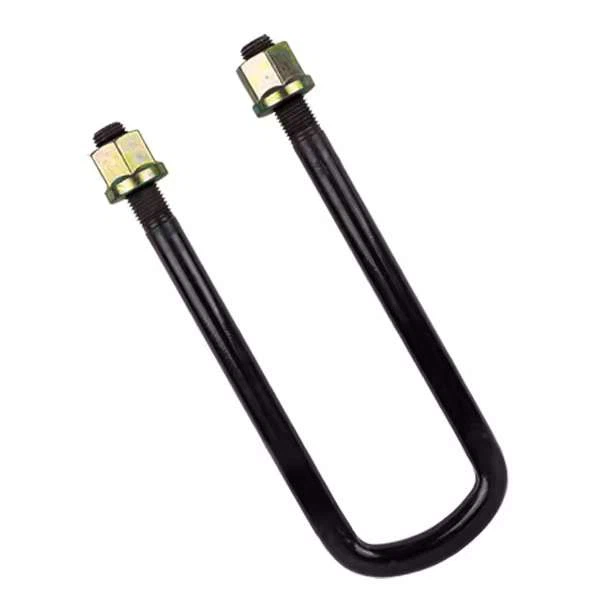


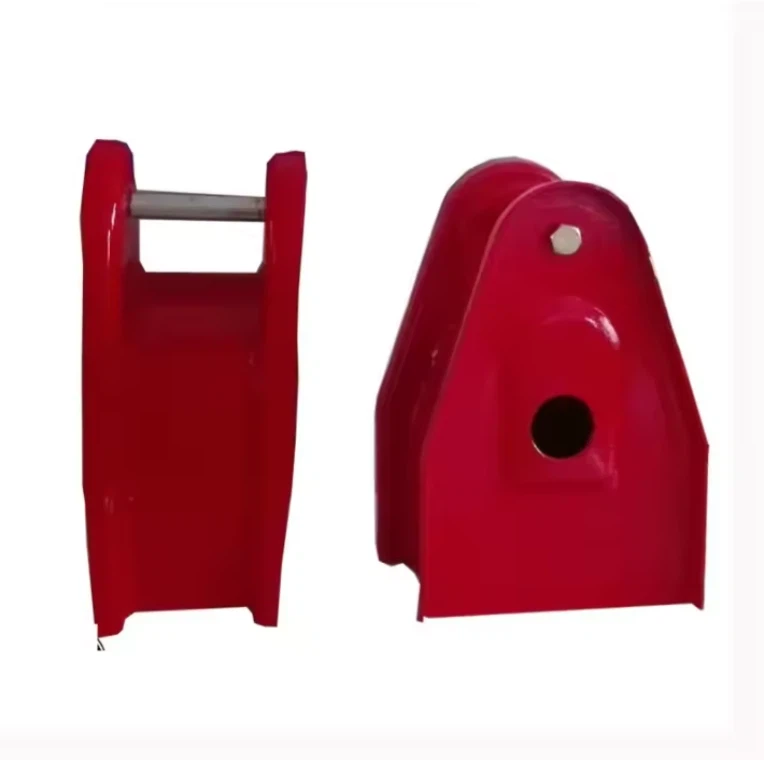


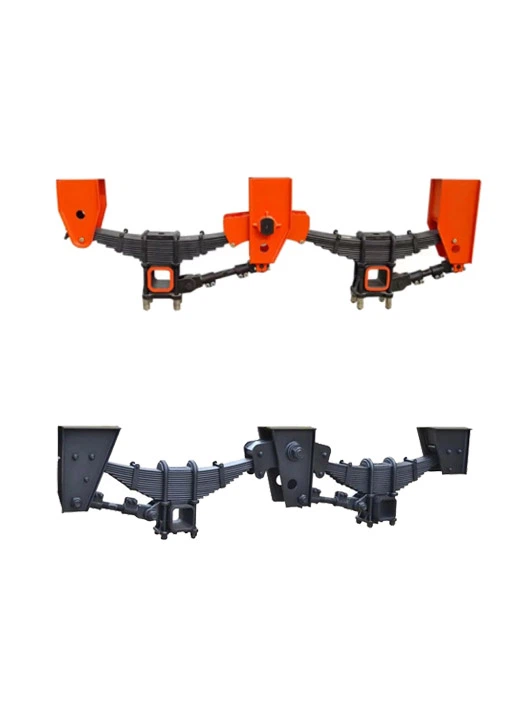
Cangzhou Saixin Trading Co.,Ltd.
The factory was established in 1997 and has a development history of more than 25 years. At present, a comprehensive enterprise integrating production, R&D and sales has been formed. We can produce the goods that customers need according to their different requirements, and will provide customers with more competitive prices while ensuring quality. At present, our company's products are sold well in more than 20 countries in Africa, Asia, and South America, and are deeply loved by customers and friends.
Why Choose Us
Experience
The factory was established in 1997 and has a development history of more than 27 years.
Production
Semi trailer suspension, leaf spring, semi trailer, brake drum, wheel hub, fifth wheel, landing gear, brake shoes, brake chamber, air filter.,etc.
Technology
We can produce the goods that customers need according to their different requirements, and will provide customers with more competitive prices while ensuring quality.
R&D Team
At present, a comprehensive enterprise integrating production, R&D and sales has been formed.
What Is Trailer Suspension?
A trailer suspension system is a set of components that absorbs shock and distributes weight to the wheels. Similar to vehicle suspension, these systems can allow a driver to travel over various terrains as smoothly as possible. The type and quality of the system are essential characteristics for ensuring stability, a quality ride, and the handling of the trailer.
Many components make up a trailer's suspension system. These typically include axles, springs, shocks, and tires. However, some systems are more complex and have more sophisticated components. It's crucial to consider the use of the trailer, load capacity, and many other factors when choosing upgrades for these components.
What Does a Trailer Suspension System do?
The unseen hero of a smooth and stable towing experience, the trailer suspension system, is often overlooked until the ride becomes bumpy or the cargo ends up in jeopardy. Understanding what a trailer suspension system does can help maintain your trailer, ensure its load's safety, and appreciate the intricate engineering behind a comfortable ride.
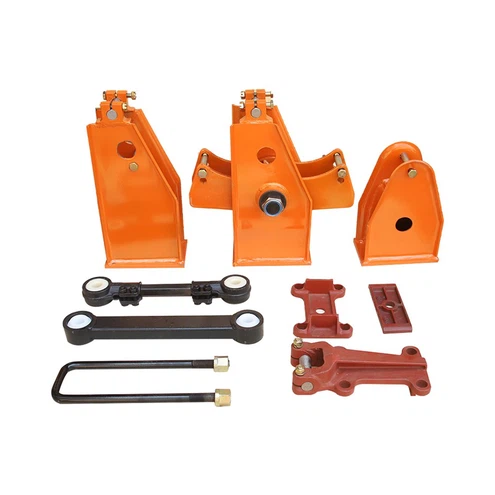
Mechanical suspension
The main body of the suspension system is the core of the trailer mechanical suspension kit, which includes all the basic components connected with the body and wheels. The main design should take into account the bearing capacity and driving stability to ensure that it can provide stable support for the trailer under various road conditions.
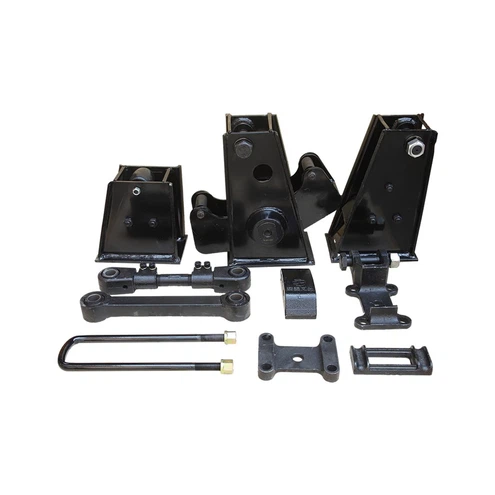
Load Distribution
A vital function of the suspension system is to distribute the cargo's weight evenly across the trailer's chassis. Uneven load distribution can cause excessive wear on particular tires and axles, leading to premature failure and potentially dangerous situations. An effective suspension system ensures that weight is balanced, reducing strain on the trailer's structure and increasing the lifespan of its components.

Stability and Handling
Handling and stability are the most noticeable aspects of a suspension system's role, especially during cornering, acceleration, or braking. A good suspension minimizes trailer sway and improves maneuverability, which is crucial for the safety of the tow vehicle and the trailer. This is especially important under heavy load conditions or when driving in adverse weather conditions.
Types of Trailer Suspension Systems
The most traditional form of suspension is the leaf spring system. It is simple, robust, and often less expensive than other types. However, the ride can be harsher, and they may require more maintenance in the form of lubrication and inspection for wear.
Regular maintenance, such as inspections and preventative measures, can forestall many common issues with trailer suspensions. This could involve checking for worn parts, ensuring bolts are tightened to the correct specifications, and looking for signs of corrosion or damage.
Troubleshooting issues often start with noticing changes in the trailer's handling or an uneven stance. Prompt attention to such changes can prevent further damage and maintain safety.
Recent advancements have seen the use of lightweight and durable materials in constructing suspension parts. Innovations also include innovative suspension systems that integrate sensors and electronic controls. These systems can adjust in real-time to road conditions and load changes, marking the future of trailer suspension systems.
Components of Trailer Suspension Systems
Axles and Wheels
Suspension systems directly impact how the wheels and axles wear over time. Properly aligned and functioning suspension components ensure that tires wear evenly and that the axles remain straight and true, reducing maintenance costs and extending the life of the wheels and tires.

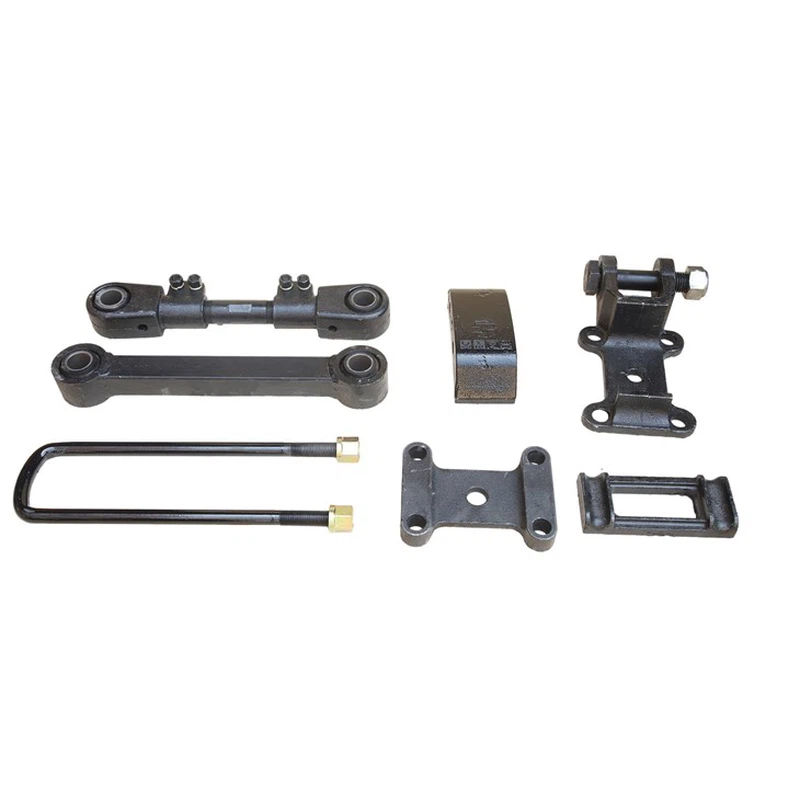
Additional Components
Supporting elements like bushings, hangers, and equalizers also play a crucial part in maintaining the overall integrity of the suspension system. These components help dampen vibrations, ensuring that the trailer's motion is smooth and that the stress on the metal parts is reduced.
What Suspension is Best for Trailers?
In the ever-expanding world of trailers, ranging from recreational to industrial applications, selecting the right suspension system plays a pivotal role in ensuring safety and comfort. Whether for transporting goods or setting up a home-on-wheels, a reliable suspension system is a cornerstone of a successful journey. This article serves to guide enthusiasts and professionals alike in choosing the best suspension system for their trailers.
Understanding Trailer Suspensions: Before delving into the details, it is essential to grasp what a suspension system is and why it holds such significance in trailer configuration. Essentially, the suspension is the buffer between the road and the trailer, absorbing shocks and bumps to provide a smoother ride. Moreover, a robust suspension system contributes to elongating the lifespan of your trailer by reducing the wear and tear on its structure. It is typically composed of various components like springs, shock absorbers, and linkages that work collectively to ensure stability and comfort.
Air Suspension: Air suspension, a more modern and sophisticated approach, uses air bags to absorb road shocks. The air bags can be inflated or deflated to adjust the ride height according to the load, offering a customizable and comfortable experience. One of its standout features is the ability to adapt to varying load conditions automatically, ensuring optimal performance at all times. Its self-leveling characteristic helps in maintaining a horizontal trailer position, which is crucial for balanced handling and safety.
Leaf Spring Suspension: Widely known for its simplicity and durability, the leaf spring suspension comprises layers of arched springs made from steel. This type of suspension is quite popular, mainly due to its ability to handle heavy loads efficiently. The stacked layers of springs effectively distribute the weight of the load, making it a go-to choice for trailers hauling heavy cargo. Moreover, they are relatively easy to install and maintain, making them a favorable option for a wide range of trailers.
Torsion Suspension: A torsion suspension system operates on a completely different mechanism compared to leaf spring suspensions. It employs a rubberized core and relies on the torsion or twisting action of this core to act as a shock absorber. The beauty of this system lies in its compact design, allowing for a smoother and quieter ride compared to other types. Additionally, it offers more ground clearance and is less prone to sagging, ensuring a level ride, even on bumpy terrains.
Comparative Analysis: Choosing the right suspension system for your trailer depends largely on your specific needs and preferences. Different suspensions fare better in certain situations. For instance, if you own a utility trailer and frequently transport heavy loads, a leaf spring suspension might be your best bet owing to its load-distributing capabilities. Conversely, for luxury travel trailers, an air suspension system can provide a superior level of comfort and adjustability.
Furthermore, maintenance requirements vary between the different types. Leaf spring suspensions might demand regular check-ups to prevent rust and wear, while air suspensions generally require less frequent maintenance, owing to their modern build and technology. Cost-effectiveness is another critical aspect to consider; traditionally, leaf spring and torsion suspensions are more budget-friendly compared to the advanced and feature-rich air suspension systems.
Expert Opinions and Recommendations: Drawing insights from industry veterans, it is often recommended to thoroughly assess your trailer's primary usage before settling on a suspension system. Factors like frequency of use, type of terrain, and load weight play a significant role in determining the best fit. Additionally, seeking recommendations and reviews from fellow trailer owners can provide valuable insights into real-world performance of different suspension systems.
Case Studies or User Experiences: When navigating through various options, considering case studies or user experiences can offer a goldmine of information. Many trailer owners have documented their experiences with different suspensions, highlighting the noticeable benefits in different scenarios. For instance, users often praise the rubber torsion suspension for its quiet and smooth performance, especially during long-haul journeys.
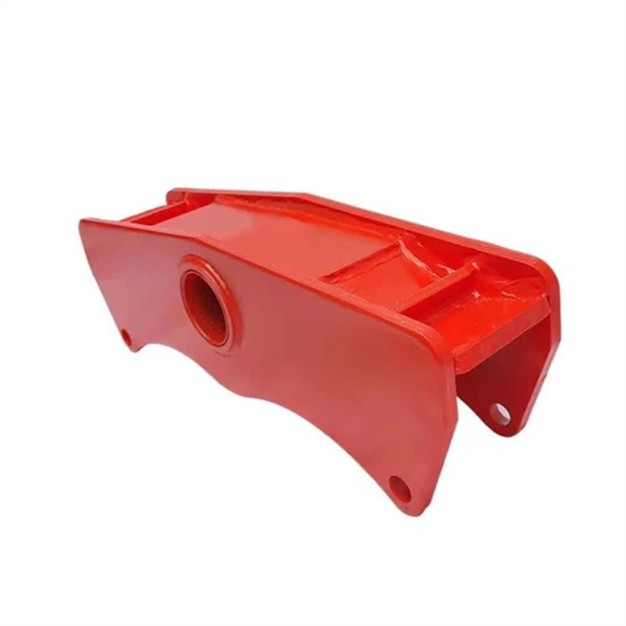
A trailer's suspension is critical to ensuring safety and stability while on the road. A suspension system with the right design and maintenance distributes weight evenly, reduces overloading, and keeps you, your cargo, and your passengers safe. You'll enjoy a smoother and more comfortable experience wherever your adventures take you.
Additionally, a capable suspension system on your trailer can help avoid wear and tear. Anytime you hit the road with your RV, it's like subjecting your home on wheels to an earthquake. The bumps and potholes in the street can do a number on your frame, wheels, and tires. If you're like us, you want to park your camper at a campsite and not a repair shop.
It's critical that the suspension system of the trailer is matched to the weight that the trailer will carry. Overloaded suspension components are likely to fail, while underloaded components cause a harsh ride.
Common Signs That Your Trailer Suspension Needs Repair
Uneven Tire Wear: Uneven tire wear is a clear sign that there's an issue with the suspension. When the suspension is not working correctly, it can cause the tires to wear unevenly. If you notice that one side of the tire has a different pattern than the other, it's time to have your suspension checked.
Excessive Bouncing: If your trailer bounces excessively while driving, it's a clear indication that the suspension is not functioning correctly. This bouncing can damage your cargo, make your ride uncomfortable, and increase the risk of accidents.
Sagging Trailer: If your trailer is sagging on one side, it indicates a broken or worn spring. A sagging trailer can cause imbalance and increase the risk of damage to your cargo.
Difficulty Steering: When the suspension system is not functioning correctly, steering your vehicle becomes more challenging. This can be especially dangerous when traveling at high speeds or making sudden turns.
Excessive Swaying: Swaying is another sign of faulty suspension. If your trailer sways excessively while driving, it increases the risk of accidents and causes damage to the trailer and cargo.
Strange Noises: Unusual noises coming from your trailer could indicate worn or damaged parts in the suspension system. These noises include creaking or banging sounds.
Leaking Hydraulic Fluid: If your hydraulic suspension system is leaking fluid, it's a sign of a damaged hydraulic cylinder or hose. This can cause your suspension system to fail and result in an unsafe ride.
Hard RideTrailer Suspension Repair Mesa company: If you feel every bump on the road while driving your trailer, it's a clear sign of worn or damaged shocks or springs. A hard ride can be uncomfortable and increase the risk of damage to your cargo.
Fishtailing: occurs when your trailer sways back and forth rapidly while driving. It indicates that your trailer is unbalanced or has problems with the suspension system.
Excessive Vibration: If you feel excessive vibration while driving your trailer, it's a sign of worn or damaged suspension parts. This can cause damage to your cargo and make your ride uncomfortable.
If you notice any of these signs, it's essential to have your trailer suspension inspected by a professional. Delaying trailer suspension repairs can lead to serious consequences, so it's important to act promptly. If you're aware that your suspension is in need of repair, it's best to avoid using it until it's been fixed. Neglecting to address a compromised trailer suspension can not only harm the towing vehicle but can also result in a complete system failure.

Are you dissatisfied with the ride quality or handling of your trailer? If so, it may be time to consider upgrading your trailer's suspension. However, some upgrades require expertise, which means you have to trust the professionals to do it correctly. We recommend finding a qualified mechanic or towing specialist to help you make the decision and do the job for you.
Upgrading your pause can protect your investment and improve your experience. If you spend less time feeling bumps in the road or dealing with the wobble of a trailer, you'll enjoy driving more. Make sure you spend enough time considering your options to get the desired result.
Trailer Suspension Upgrades That Are Worth It
Regarding trailer suspension upgrades, some upgrades can provide incredible results. You'll maximize your comfort, avoid wear and tear, and have a better towing experience. Let's take a look at some upgrades you should consider.
Upgrade Shackles and Wet Bolts: Upgrading shackles and wet bolts are among the first upgrades many trailer owners make to their suspension systems. The shackles from the factory on a trailer are typically less than a suitable quality. Upgrading to beefier versions allows them to withstand the stresses of towing heavy loads. It also can help prevent damages and failures in the suspension system.
The wet bolts on a trailer connect the leaf springs to the trailer's equalizer. This provides pivot points for the suspension system to help absorb shock and transfer weight. Upgrading to wet bolts with grease fittings makes maintenance more manageable and can help you extend the life of your equipment.
Rubber Or Air Bump Stop: Rubber or air bump stops can be beneficial for towing suspension systems. These devices can help prevent a suspension system from bottoming out or compressing under heavy loads. If you're up against your weight capacity when towing a trailer, these can help stiffen the springs when compressed.
However, a word of caution; while these may reduce the sag experience when towing, they do not increase the capacity. You cannot and should not overload a tow vehicle or RV at any point. Doing so can cause severe damage to your trailer and tow vehicle. Additionally, it could pose some legal and insurance issues if you get into an accident.
Replacement Springs Or Complete Suspension: Some owners decide to do a complete suspension upgrade. This typically includes upgrading to a higher-rated or a different type of axle. Many choose to make the switch from a solid axle to an independent suspension.
Many times owners also want to upgrade to increase their carrying capacity. However, upgrading your axles does not change the weight capacities of the frame. You could end up doing extensive damage by overloading the frame.
Additionally, consider a multi-axle independent suspension may ride better but could be more prone to failure from overloading an axle or wheel. You must be aware of the weight of your trailer and the weight ratings for your suspension components.
Upgrade Equalizers: Another upgrade to consider is your trailer's equalizers. This upgrade can improve handling, stability, and the trailer's ability to distribute weight. Equalizers connect the leaf springs to the trailer's frame and help distribute weight between the axles.
Enjoy a Smoother Ride By Improving Trailer Suspension: Improving your trailer suspension can drastically increase your towing experience. It can result in a safer and more comfortable ride. If you upgrade a component or two, ensure you have a plan. An upgrade decision you make now could impact upgrade decisions in the future.
What Else do I Need When I Buy a Trailer Suspension?
When buying a suspension unit don't forget to buy a suspension mounting plate to attach it to your trailer. We offer both 6-hole suspension mounting plates and 8-hole suspension mounting plates. Be sure to check your unit before you purchase it to make sure you are buying the right one. We also have a range of suspension kits with all the components including hubs, bearings and caps, which you need to make as easy as possible.
If I buy a trailer suspension unit, do I need an axle?
No, you don't need an axle if you buy a suspension unit as the unit is what you mount to the trailer chassis and attach the wheels to your trailer. We also stock a wide range of braked and unbraked torsion axles. These can be purchased as an alternative to suspension units. A torsion axle is made with thick rubber concealed inside the axle's tubing. Whilst towing your trailer each wheel moves up and down and the rubber inside the axle compresses giving an even wheel suspension for a smooth ride. A torsion axle allows each wheel to act independently to absorb any shocks from the road. Due to fewer moving parts on the torsion axle, a key benefit of it is that it requires less maintenance. All you need to do is give us the measurements for your axel and we will get it made to these specifications.
Why should I buy a new trailer suspension unit or torsion axle?
The answer is simple! Why would you purchase a new trailer when you can just upgrade your trailer suspension or torsion axle? By upgrading your trailer suspension or trailer axle you can not only increase the life of your trailer but also improve its performance. Both our suspension units and torsion axles will help you increase your trailer's ability to withstand uneven terrain or handle bumpy corrugated roads.
There are a lot of things to consider when looking at trailer suspension units and axles. The most important thing is to understand exactly what you are using your trailer for and the weights you will be towing. Our goal is to make it as easy as possible when deciding on what you need but if you are in any doubt please do get in touch with one of our friendly team who is here to help guide you through the process.
Exhibition
We can produce the goods that customers need according to their different requirements, and will provide customers with more competitive prices while ensuring quality. At present, our company's products are sold well in more than 20 countries in Africa, Asia, and South America, and are deeply loved by customers and friends.

FAQ
Q: What does a trailer suspension system do?
Q: What is its trailer suspension?
Q: What suspension is best on a trailer?
The load of the trailer is borne by these air springs rather than the steel springs in a trailing-arm suspension. Air suspensions are a great choice as they are suitable for all types of terrain, although you will need an air compressor or air cylinder to adjust the pressure according to the terrain.
Q: Do you need suspension on a trailer?
Q: How long does trailer suspension last?
Q: Do I need to upgrade suspension to tow camper trailer?
Q: Does suspension help with towing?
By adding extra suspension to the rear axle of your vehicle, they help counteract any shifting that may occur when you are towing something like a trailer or camper. This is especially beneficial in windy or wet conditions, when your vehicle can become unstable more easily.
Q: Can you add suspension to a trailer?
Q: What class hitch is better?
Q: Is it better to have trailer hitch high or low?
Q: How often should you grease a trailer suspension?
Q: Do all trailers have air ride suspension?
Q: How do you load a trailer to avoid sway?
Q: How do you know when trailer axle is bad?
If the vibrations become severe enough and lead to an uncomfortable ride, making the vehicle and trailer difficult to hail or control, this is a sure sign that your axle is damaged and it's time for a repair.
Q: How long is a trailer good for?
One of the most common — and most important — questions we hear is, "How long does a trailer last?” That entirely depends on the quality of the trailer, the type of trailer, and how well you maintain it. However, we will say that an average high-quality enclosed trailer will last between 10 and 15 years.
Q: What happens when suspension wears out?
Q: Why does my trailer sway so much?
Q: What is the best suspension upgrade for towing?
Q: Does suspension upgrade increase towing capacity?
Q: How much does it cost to get better suspension?
As one of the most professional trailer suspension manufacturers and suppliers in China, we're featured by quality products and competitive price. Please rest assured to wholesale customized trailer suspension made in China here from our factory.
Germany Type Brake Drum for BPW 16T, Brake Shoes, Airfilter CR0018